Legal Frameworks for Wild Foraging in Italy
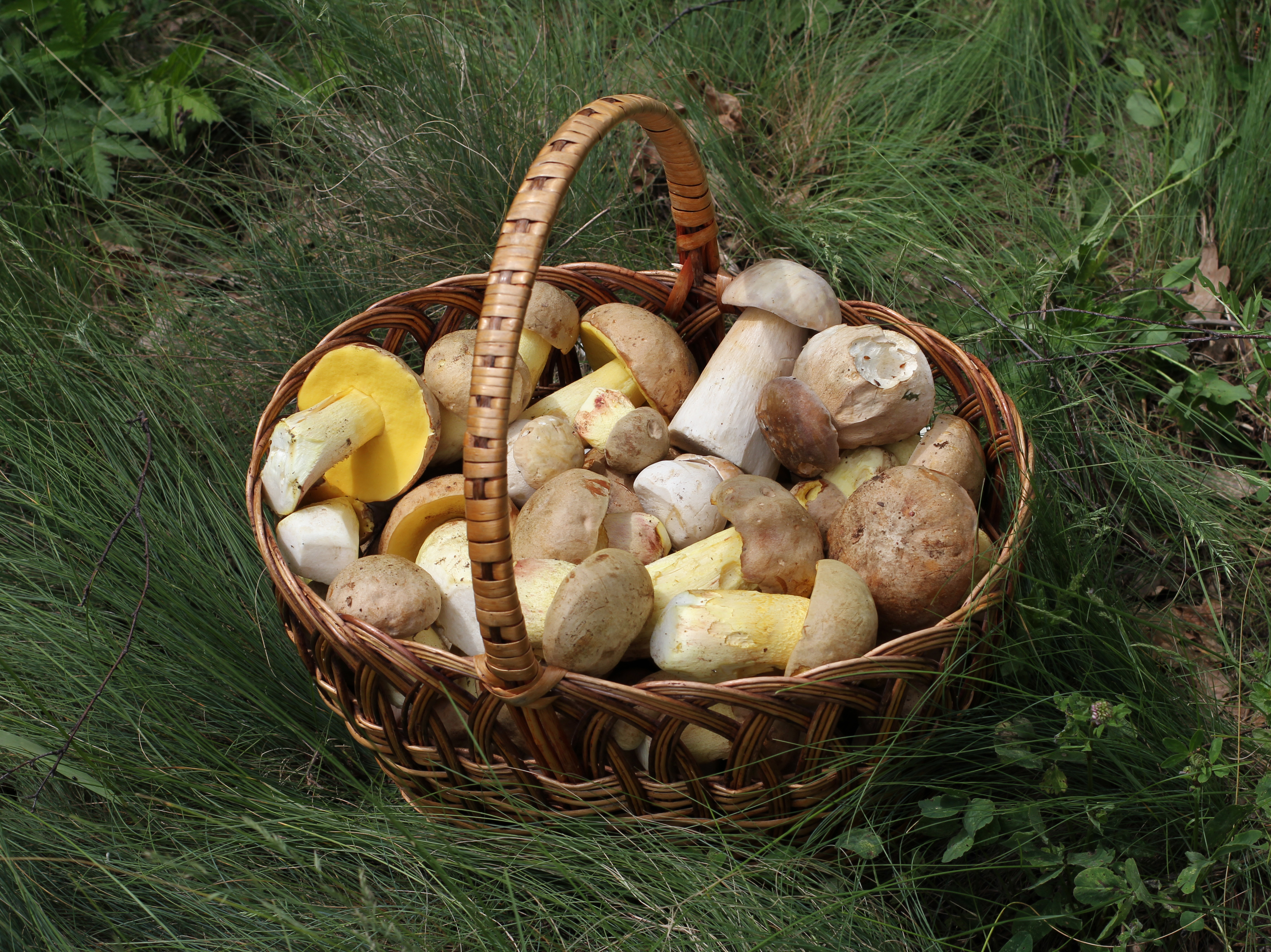
Italy does not have a single national foraging law. The baseline comes from a 1985 national framework (Law 352/1993 on fungal collection), but the substantive rules — permits, limits, seasons, fines — are set at regional level and vary significantly between Lombardy, Tuscany, Calabria, and the autonomous provinces of Alto Adige and Trento. What applies in one valley does not apply twenty kilometres away over a provincial boundary.
This article documents the operative frameworks as of early 2026. Regional laws are amended periodically; the figures here should be treated as a reference baseline rather than current regulatory text.
National Baseline: Law 352/1993
The national framework established several principles that all regional laws operate within:
- Collection of wild fungi for personal consumption is a civil right on publicly accessible land unless regional law specifically restricts it.
- Commercial collection (sale or systematic large-volume harvest) requires a regional licence in all regions.
- National parks and nature reserves may set independent restrictions that override regional rules.
- Maximum personal daily limit, where not set by regions, defaults to 3 kg of fresh mushrooms.
The 1993 law also established that identification of fungi for market sale requires certified expertise — a provision that generated a network of regional mycology certification bodies, most operated through local health authorities (ASL) and amateur mycology associations affiliated with the Associazione Micologica Italiana Naturalistica Telematica (AMINT).
Regional Permit Systems
Most regions with significant foraging activity have moved to paid annual permit systems for mushroom collection, separate from the regulations covering wild fruit, herbs, and berries (which are generally less restricted).
Lombardy
Regional Law 31/2008 requires a permit (tessera) for collecting fungi in Lombardy's communal and regional forests. Permits are issued by individual comuni and cost between €20 and €45 per year depending on municipality. The daily limit is 3 kg. Foreign residents and tourists may purchase a single-day permit (€5–10) in many comuni. The permit must be carried during collection and presented on request to forestry police (Corpo Forestale dello Stato, now Carabinieri Forestali).
Piedmont
Regional Law 32/1982 (substantially amended) established a per-province system. In most Piedmont provinces, an annual mushroom collection permit costs €30–50. The Cuneo and Biella provinces, covering the primary porcini belt, enforce limits strictly during the September–October peak. Daily limit is 3 kg. Some mountain communities (Comunità Montane) issue their own additional local permits for specific valley systems.
Tuscany
Tuscany operates one of the more permissive systems. Regional Law 50/1995 sets a free collection threshold of 3 kg/day in most communal and regional forests without a permit. A permit is required for collection in provincial parks and in forests managed by regional authorities. The Mugello and Casentino areas are notable exceptions — parts are managed as State forests with specific access rules.
Trentino-Alto Adige
The two autonomous provinces operate separately. Trento Province requires a free permit (tesserino) available from comune offices and tourist information centres. Alto Adige (South Tyrol) charges €10–20 for a seasonal permit; non-residents of the province face higher fees. Daily limit is 2 kg in both provinces — lower than most Italian regions. The 2 kg limit reflects the high collection pressure in alpine areas during peak autumn weekends.
Calabria
Less formalised than northern regions. Regional Law 6/2003 sets a 3 kg daily limit for personal collection with no permit requirement on public land. The Sila plateau and Aspromonte massif are partially covered by national park boundaries where separate rules apply. Commercial collection requires a regional licence (nulla osta) from the province.
Herbs, berries, and fruit: Wild herb collection (thyme, oregano, wild fennel, sage), berry picking (blueberries, blackberries, raspberries), and chestnut harvest are regulated separately and are generally permitted in smaller quantities without permits on communal land across all regions. Specific quantities vary; the 1 kg/day personal use threshold appears in several regional laws as the dividing line between personal collection and commercial activity.
National Parks and Protected Zones
Italy's 24 national parks set independent rules that supersede regional law within park boundaries. The pattern across most parks is:
- Residents of comuni within or adjacent to the park may collect limited quantities (typically 1–2 kg/day) with a free park permit.
- Non-residents may collect only with a paid park permit, where these are issued at all — several parks (Gran Paradiso, Stelvio) prohibit fungal collection by non-residents entirely.
- Commercial collection is prohibited across all national parks without exception.
Regional nature reserves (Riserve Naturali Regionali) and Natura 2000 sites follow their own management plans, which vary widely. Some permit unrestricted personal collection; others match national park restrictions. The management plan (Piano di Gestione) is the operative document and is available from the managing body in each case.
Private Land
On private land, foraging without the landowner's permission is technically trespass under the Italian civil code. In practice, much formerly agricultural woodland in Italy is effectively abandoned and its ownership unclear, but the legal exposure exists. Posted signs (cartelli) indicating private ownership or prohibition of access (proprietà privata, vietato l'accesso, vietata la raccolta) are legally binding and should be respected.
Some landowners in productive porcini areas — particularly in Piedmont and Tuscany — sell seasonal access rights. This is informal, not regulated, and varies entirely by landowner arrangement.
Fines and Enforcement
Carabinieri Forestali (the successor to Corpo Forestale dello Stato, absorbed into the Carabinieri in 2017) conduct seasonal checks in high-pressure foraging areas during the autumn peak. Enforcement intensity varies by province and by year.
Typical fine scales (as of 2025 regional updates):
| Violation | Typical Fine Range |
|---|---|
| Collection without valid permit | €100–€300 |
| Exceeding daily limit (personal) | €150–€500 + confiscation |
| Collection in restricted zone (park, reserve) | €300–€1,000 |
| Commercial collection without licence | €500–€3,000 + confiscation of vehicle and equipment |
Non-Resident and Foreign Foragers
EU and non-EU visitors are subject to the same permit requirements as Italian residents. The practical availability of day permits and tourist permits varies. In Lombardy and Trentino, day permits for tourists are reasonably well established through tourist information offices and some online municipal systems. In Piedmont, the system is more fragmented and relies on individual comune offices.
Language access is a consistent practical obstacle. Most permit systems operate in Italian only. Forestry officers encountered during checks typically speak Italian; the ability to present a valid permit document regardless of language barrier is the operative protection.
For collection season dates and species-specific notes, see the porcini identification and calendar guide. For land access and harvest windows for chestnuts and blackberries, see the northern zones article.
Current regulatory updates are available from regional forest authority portals; the Carabinieri Forestali website lists contact points for each province.